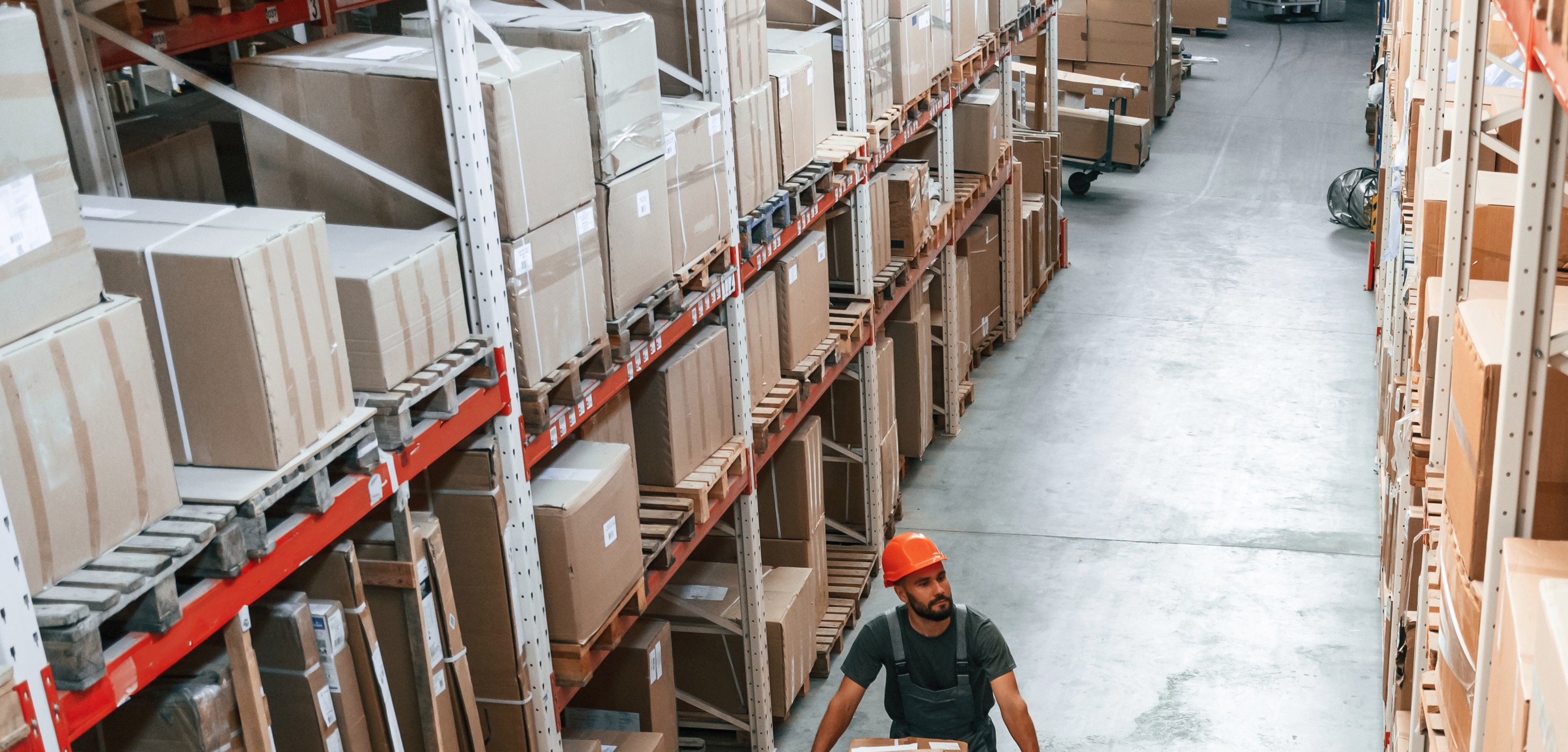

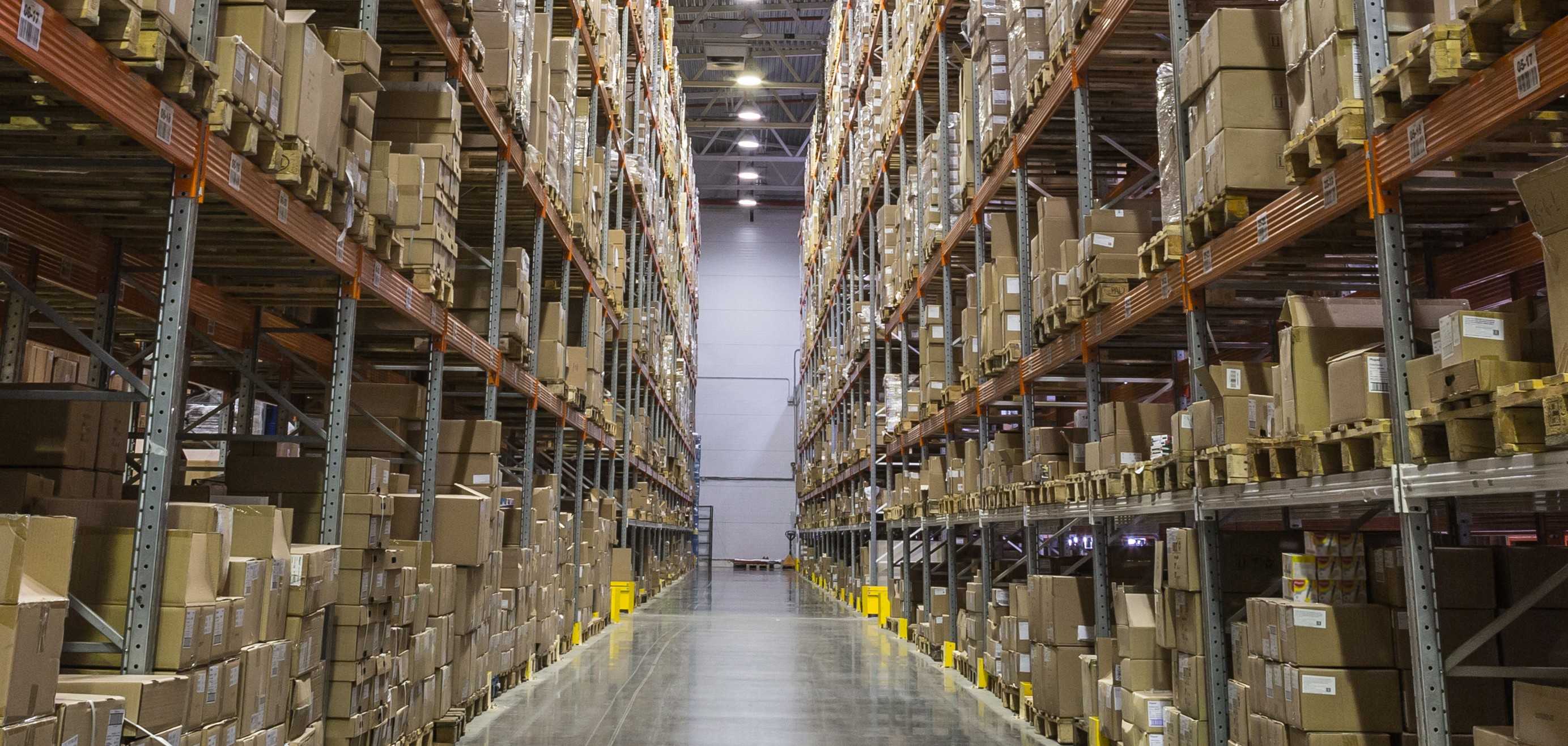
Excess inventory is a common challenge across the food industry. Changes in demand, short-dated products, packaging updates, canceled orders, and shifting customer needs can quickly leave businesses with more product than they can use or sell through their usual channels.
Without the right plan, surplus inventory can take up valuable warehouse space, affect cash flow, and increase the risk of waste. With early planning, flexible options, and the right partner, businesses can recover value and turn inventory challenges into practical solutions.
Identify Inventory Challenges Early
The sooner excess inventory is identified, the more options a business has.
Regular inventory reviews can help teams identify:
- Slow-moving products
- Short-dated inventory
- Overstock caused by changing demand
- Products affected by packaging updates
- Inventory from canceled or reduced orders
Early visibility gives businesses more time to find alternative buyers, adjust pricing, repack products, or move inventory through another channel before its value declines.
Understand the Product and Its Market
Not every surplus product requires the same solution. Before deciding how to move it, businesses should review important details such as:
- Product type and quantity
- Production and expiration dates
- Storage requirements
- Packaging format
- Brand restrictions
- Product specifications
- Available documentation
- Geographic location
These details help determine which customers or markets may be the best fit. A product that no longer works for one customer may still meet the needs of another distributor, foodservice operator, retailer, or manufacturer.
Consider Flexible Sales Channels
Relying on only one customer or sales channel can make excess inventory more difficult to move. A broader network creates more options when demand changes.
Working with an experienced inventory partner can help connect products with qualified buyers outside a company’s usual market. The goal should not be simply to move the product as quickly as possible. The right solution should also consider timing, pricing, product integrity, and brand protection.
Use Repacking and Value-Added Solutions
Sometimes the product itself is not the problem. The packaging, case size, labeling, or format may no longer meet the customer’s needs.
Repacking may help make inventory suitable for a different market by:
- Changing case configurations
- Applying updated labels
- Adjusting pack sizes
- Preparing products for different customer requirements
- Supporting private-label or unbranded opportunities when appropriate
These services can create additional options and help recover more value from products that might otherwise remain unsold.
Protect Brands and Business Relationships
Confidentiality is important when moving excess inventory.
Businesses should work with partners that understand the importance of protecting:
- Brand identity
- Supplier information
- Customer relationships
- Product specifications
- Pricing details
- Nondisclosure agreements
A responsible inventory solution should help move products without creating unnecessary channel conflict or damaging existing relationships.
Improve Communication Across Teams
Excess inventory is easier to manage when sales, purchasing, operations, and warehouse teams communicate regularly.
Sharing timely information about demand changes, product aging, customer forecasts, and warehouse levels allows the business to act before the situation becomes urgent. Clear internal communication can also help prevent duplicate purchasing and improve future inventory planning.
Turn Inventory Challenges Into Practical Solutions
Excess inventory does not always have to result in a loss. With early planning, accurate product information, flexible channels, and the right support, businesses can reduce waste, free up warehouse space, and recover value.
At Fleetwood Foods, we work closely with suppliers and customers to understand their inventory challenges and identify practical ways forward. Through sourcing, purchasing, repacking, warehousing, and distribution relationships, we help our partners simplify complicated situations and move products more efficiently.
Our approach reflects our mission: helping more people do more with less.
Need Help With Excess Inventory?
Contact Fleetwood Foods to discuss your available products and explore possible inventory solutions.
Blog & Articles
Insights & Industry News